Wexford’s Town Wall
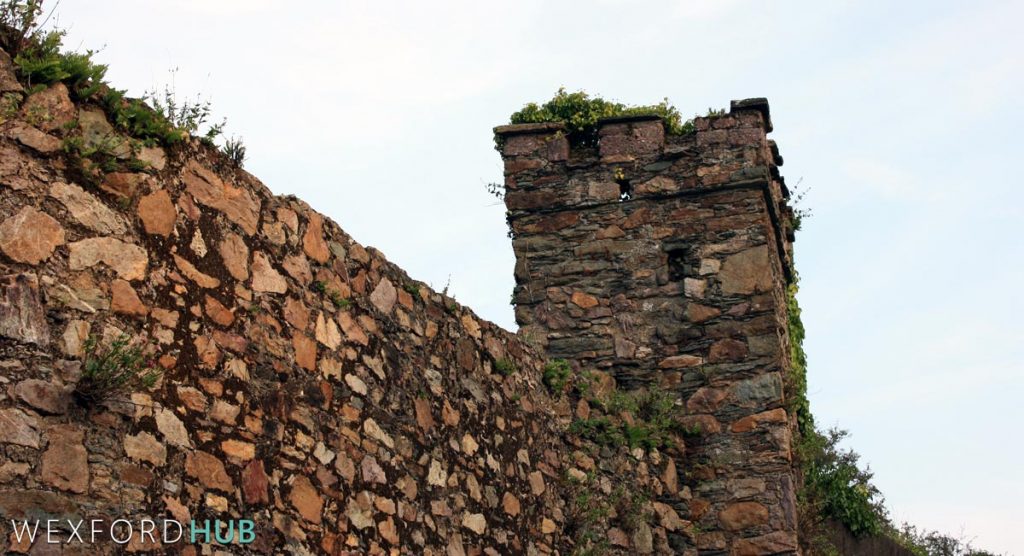
Construction of Wexford’s town wall began in the early 1200s after the 1169 Norman invasion. The wall enclosed approximately 25 hectares.
Information and articles detailing notable places, including natural landmarks and historical sites.
Construction of Wexford’s town wall began in the early 1200s after the 1169 Norman invasion. The wall enclosed approximately 25 hectares.
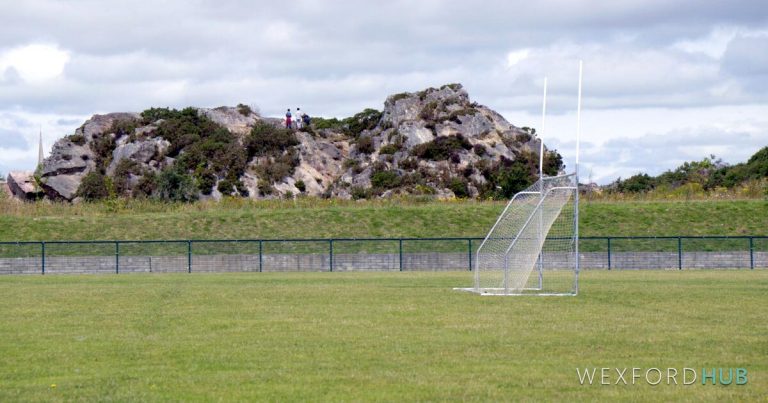
The Rocks in Wexford Town, known as Trespan Rock, was used by Oliver Cromwell to position siege guns during the 1649 siege of the town.
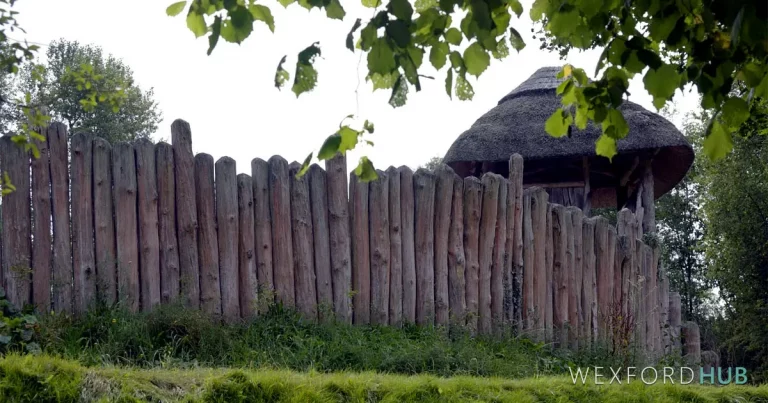
The Irish National Heritage Park in Ferrycarrig, County Wexford, is an open-air museum featuring accurate reconstructions of historic structures spanning from prehistoric times to the arrival of the Normans.
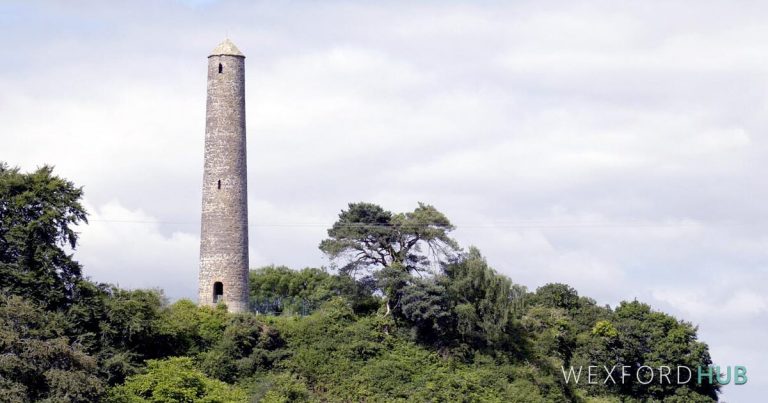
Completed in 1858 as a Crimean War memorial, the round tower in Ferrycarrig, County Wexford, is often mistaken for a genuine medieval Irish round tower.
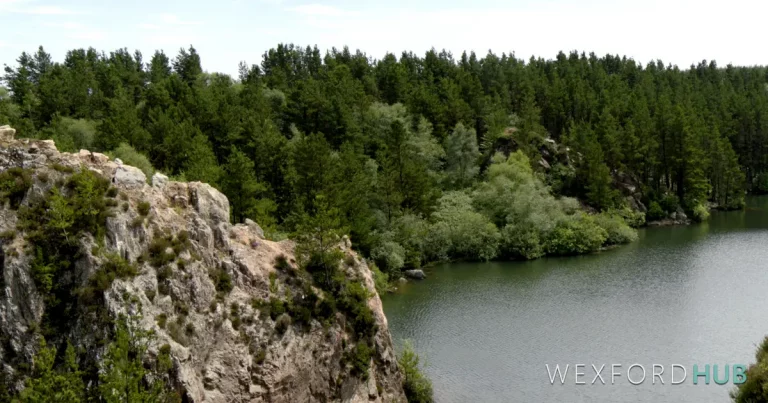
The disused Carrigfoyle quarry in Barntown, County Wexford, is a popular scenic spot with countryside views, a lake, and cliff faces surrounded by forest.
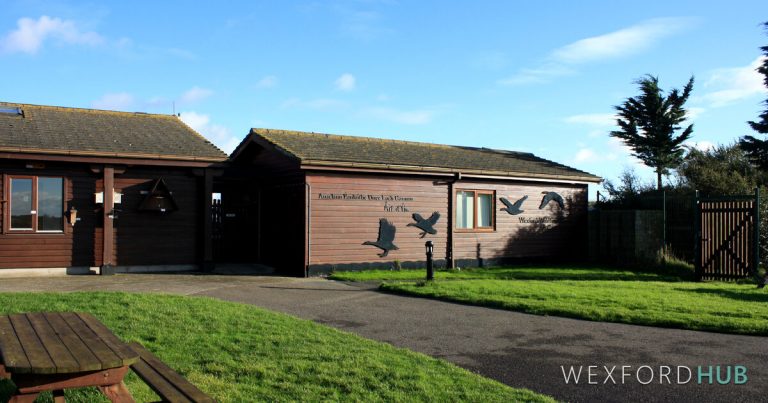
Wexford Wildfowl Reserve is a National Nature Reserve and Ramsar Site on the North Slob near Wexford Town. It is open year-round with free admission, offering bird hides, a visitor centre, and walking areas.
The Doll’s House in County Wexford was built as a gate lodge in 1900. It now operates as a holiday rental.
Ardcavan Beach is a small, stony beach on the outskirts of Wexford Town. It offers views of Wexford Harbour and has links to early Christian history.
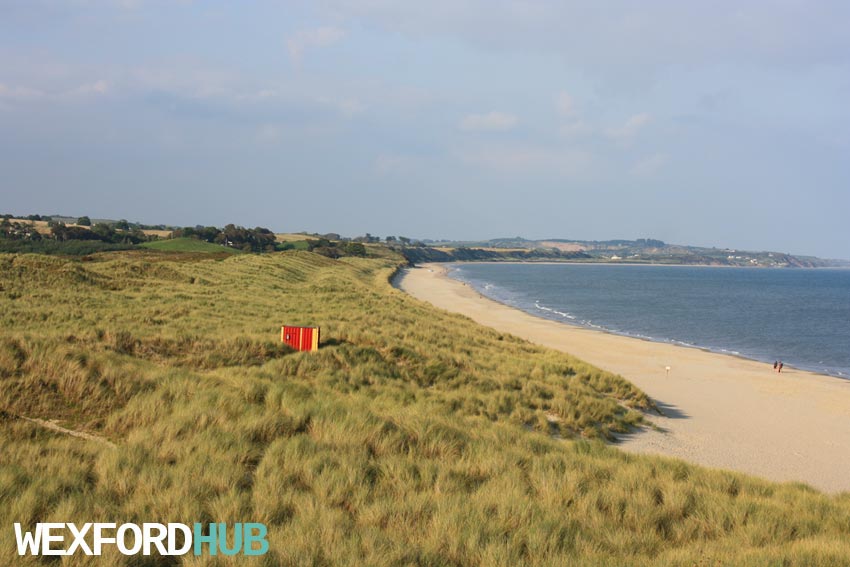
Curracloe Beach in County Wexford is one of Ireland’s most popular beaches. Located 2 kilometres from Curracloe Village, its long stretch of soft sand attracts both sunbathers and nature lovers. During the summer months, the area becomes busy with visitors staying in nearby holiday homes, campsites, hotels, and B&Bs. In autumn and winter, the beach […]