The murder of William Hannan
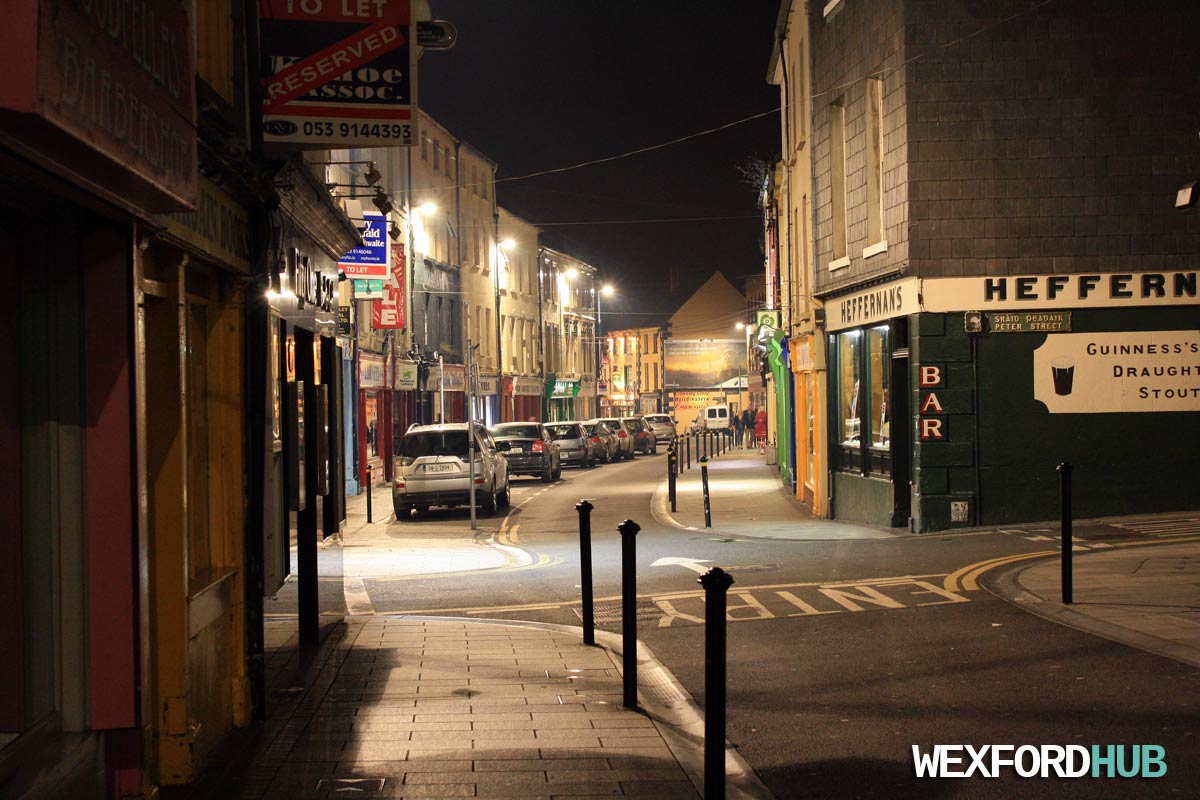
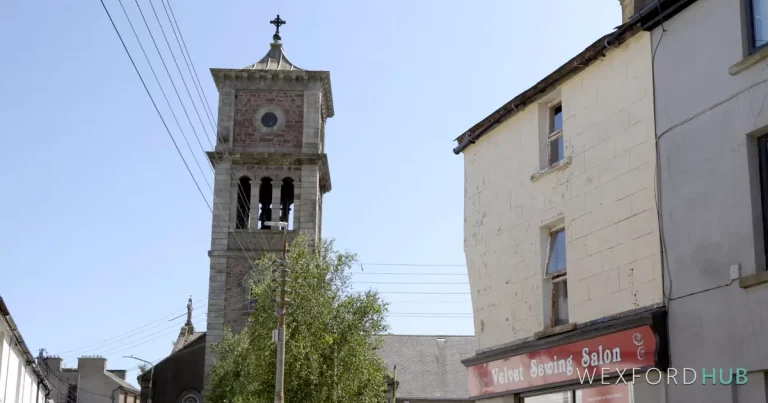
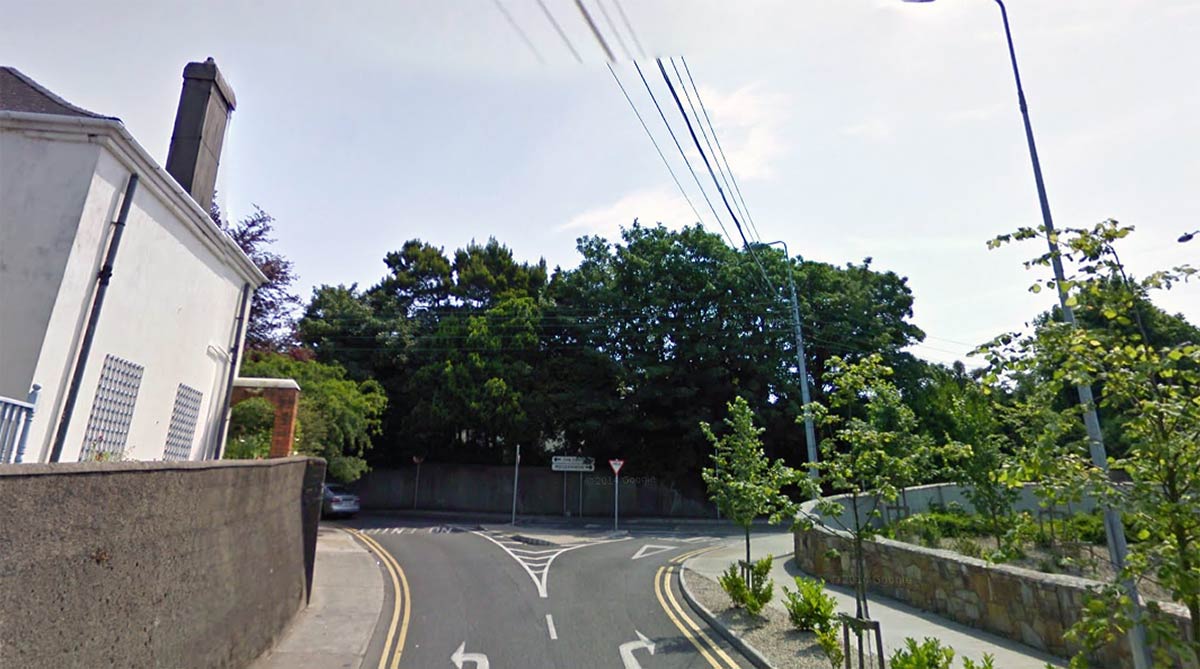
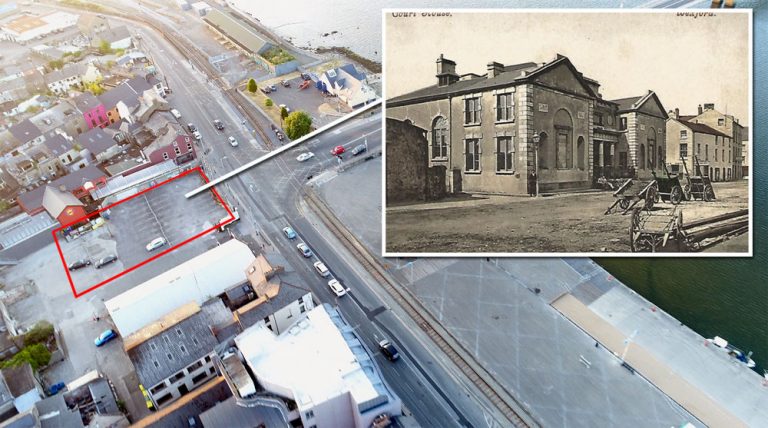
Newsagent William Hannan, 65, was found beaten at his Cinema Lane shop on 8 March 1958 and died the following morning. The murder remains unsolved.
Page 2 of 5
Newsagent William Hannan, 65, was found beaten at his Cinema Lane shop on 8 March 1958 and died the following morning. The murder remains unsolved.
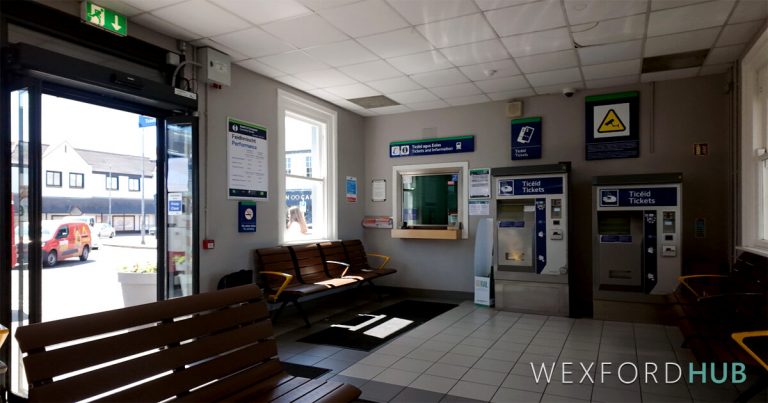
O’Hanrahan Railway Station in Wexford Town opened in 1874 and was renamed in 1966 after Michael O’Hanrahan, a 1916 Easter Rising leader executed at Kilmainham Gaol.
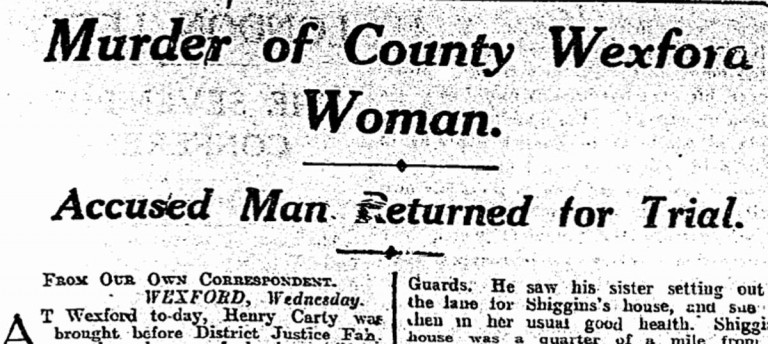
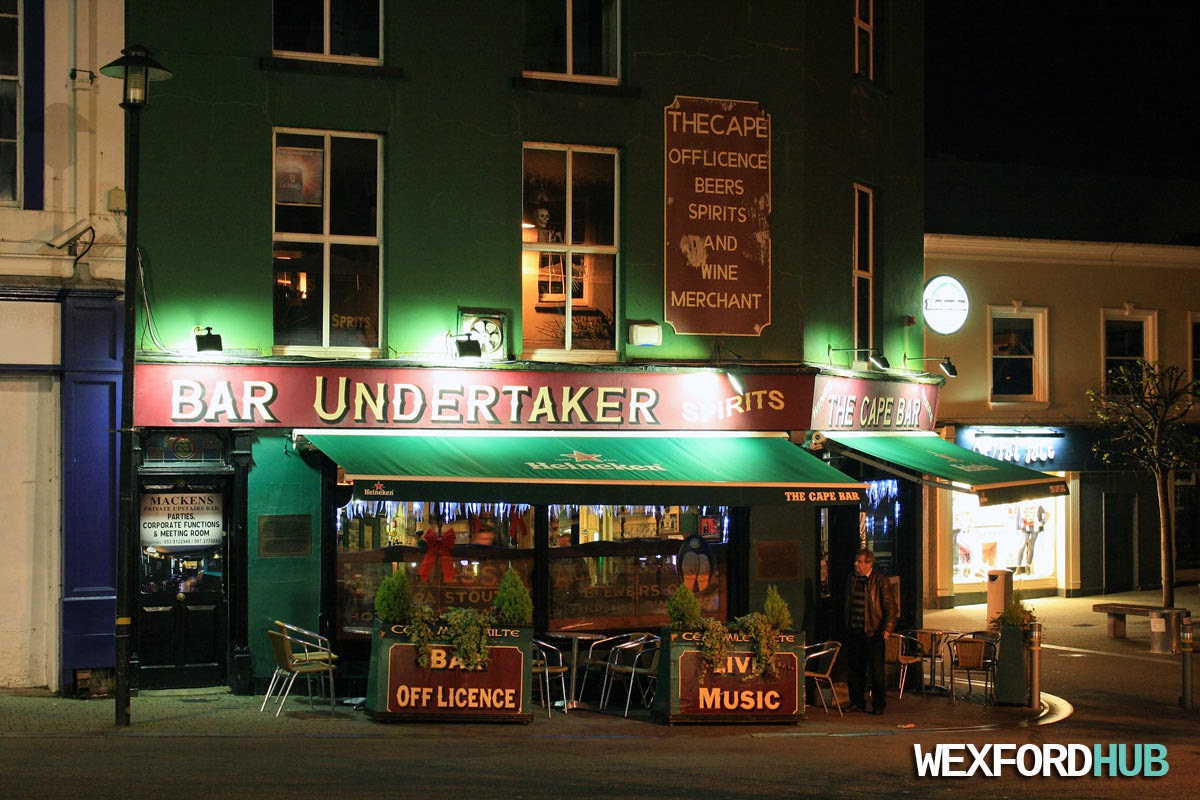
In May 1910, Simon Bloom murdered 18-year-old Mary Anne Wildes in his apartment above a bar in Wexford Town. Declared insane, he was confined to Dundrum Criminal Lunatic Asylum and later emigrated to Chicago under a new identity.
County Wexford’s ghost stories span centuries, from a 12th-century legend of indestructible teals at St. Colman’s Church to a modern paranormal investigation at Enniscorthy Castle.
O’Hanrahan Bridge in New Ross crosses the River Barrow. It opened on 27 February 1967, replacing a cast-iron bridge from 1869.
The Franciscan Friary in Wexford Town has been a place of worship for more than 750 years. It survived the dissolution of the monasteries under Henry VIII and the repression of Catholicism under Cromwell.
The origins of the name ‘The Folly’ in Wexford Town are uncertain. It may be linked to Mount Folly, a Georgian house built in the early 1800s, but whether the house or the area was named first is unknown.
County Wexford’s surnames span Gaelic, Norse, Norman, and English origins, reflecting over a millennium of settlement history in the region.
Wexford Castle was a medieval Anglo-Norman fortress demolished between 1723 and 1725. Its stones were reused to build the military barracks that still occupies the site.
Wexford Town was founded as a Viking settlement in 800 AD. Centuries of invasion, siege, and rebellion reshaped the town, culminating in the establishment of Ireland’s first republic in 1798.