Photos

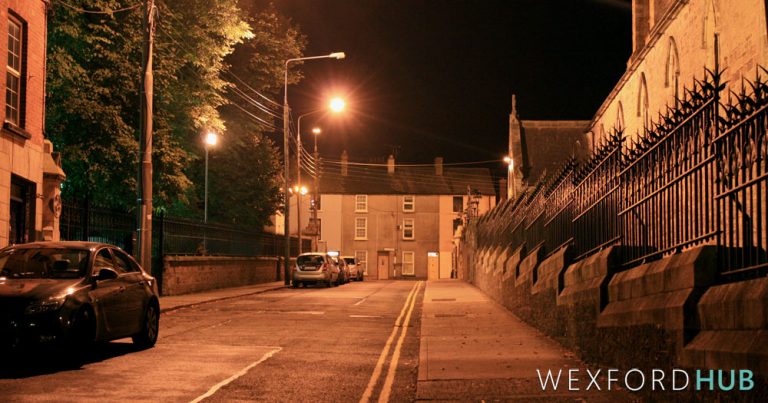
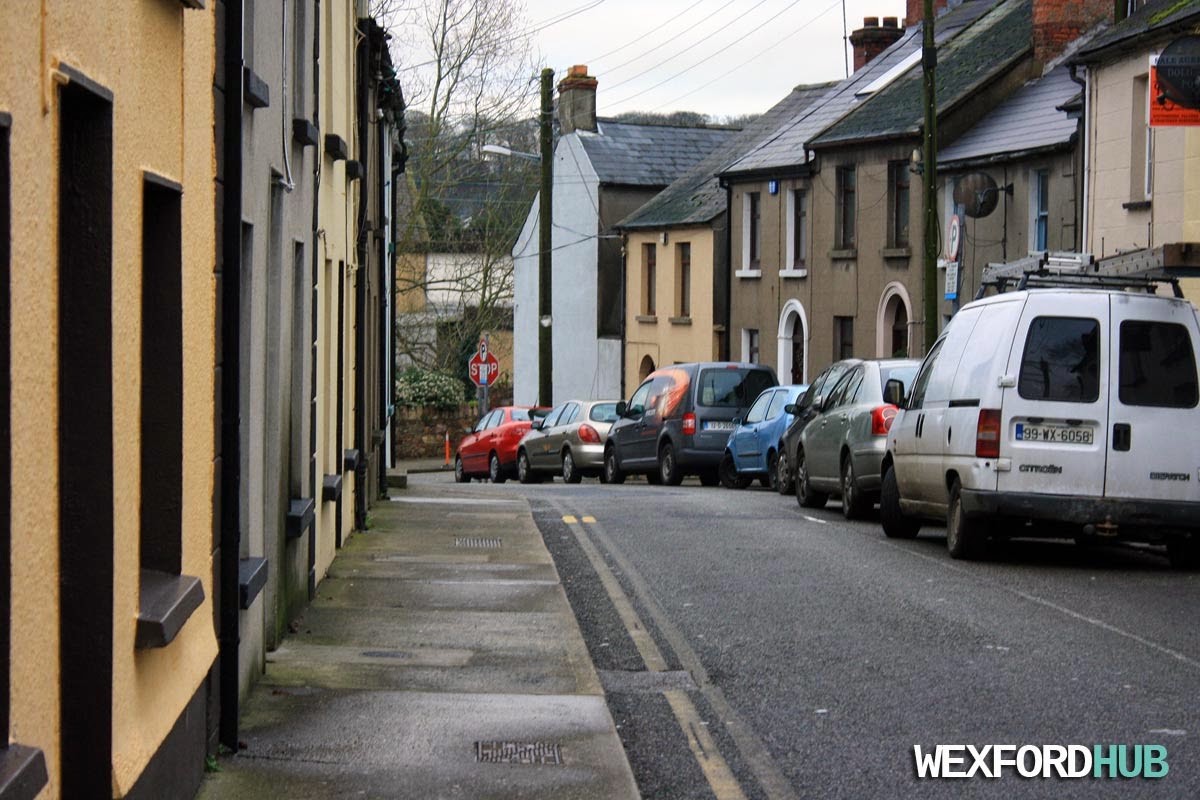
Hill Street, Wexford

The history of Hill Street

Hill Street in Wexford Town was once called Cabbage Row. In 1932, residents voted against renaming it after Sean McDermott.

Trinity Street

Trinity Street

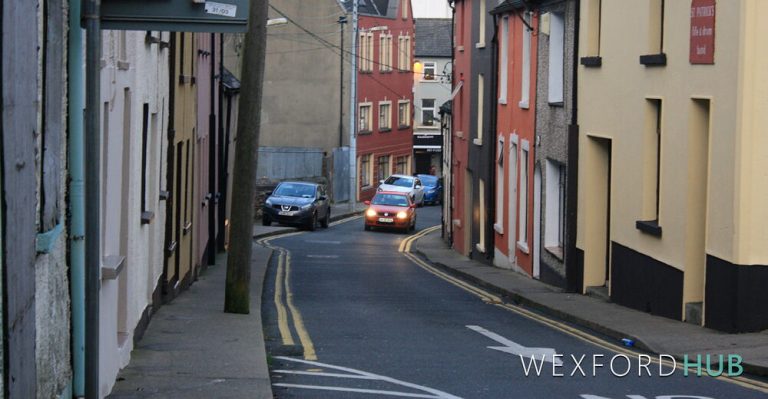
Trinity Street in Wexford Town was named after a Norse-Irish church, likely dismantled to repair Wexford Castle after the 1649 Cromwellian sack of the town.

Temperance Row

Temperance Row

Temperance Row takes its name from a temperance hall built following Father Theobald Mathew’s 1840 visit to the town. The street was also historically known as Cowgate Street, Le Cowstrette, and Hey Bey.

Oyster Lane

Oyster Lane

Oyster Lane in Wexford Town was the centre of the medieval oyster trade. A 1974 excavation uncovered over 900 potsherds, including fragments of French pottery that pointed to trade between medieval Wexford and France.

carrigeen street

Carrigeen Street

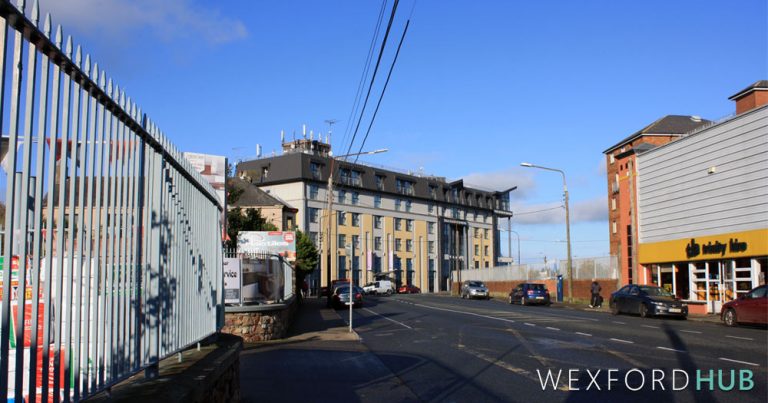
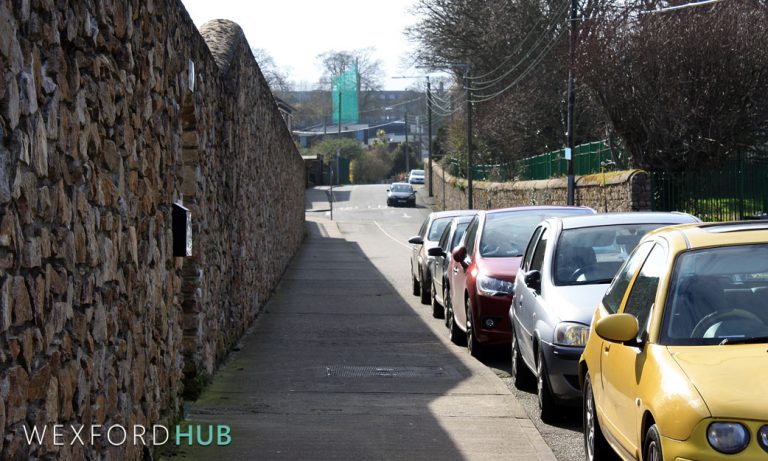
Carrigeen Street in Wexford Town runs from Grogan’s Road to the Bride Street junction along a rocky outcrop. Its Irish name ‘Carraigín’ means ‘little rock.’

Grogan’s Road

Grogan’s Road in Wexford Town was home to a fever hospital that treated cholera patients during the 1832 epidemic, traced to the Bengal region of India.

Bride Street

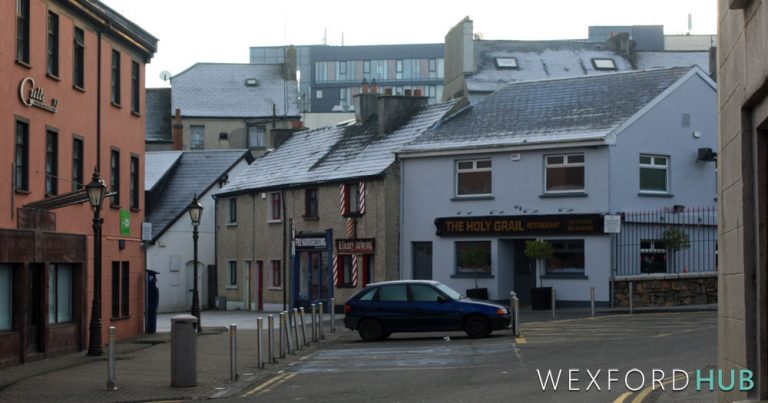
Bride Street in Wexford Town takes its name from the old parish of St Bridget. Archaeological excavations uncovered 15 post and wattle houses dating from the 11th to 14th centuries and a Viking bone pendant from 1000 AD.

Roche’s Road

Roche’s Road is named after Father James Roche, who built Wexford’s Twin Churches. President John F. Kennedy’s motorcade drove through the street during his 1963 visit to the county.

Barrack Street

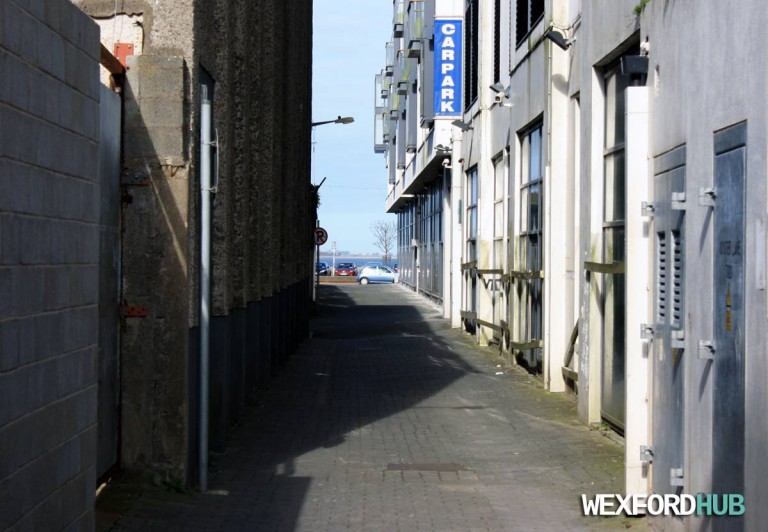
Barrack Street in Wexford Town takes its name from the 18th-century barracks built on the site of the demolished Wexford Castle.