Photos

Page 2 of 4

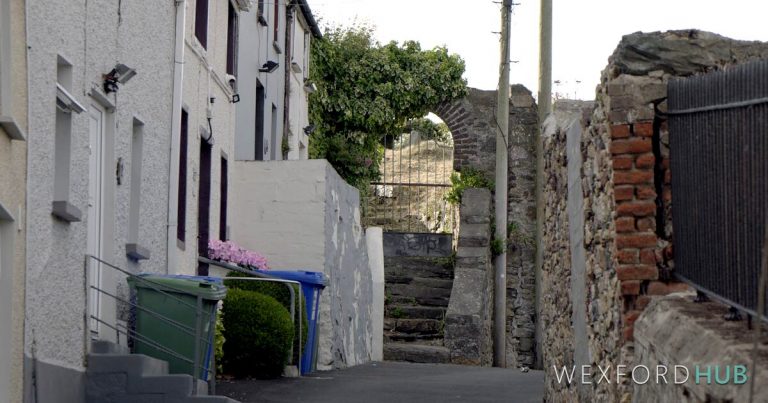
Mary’s Lane

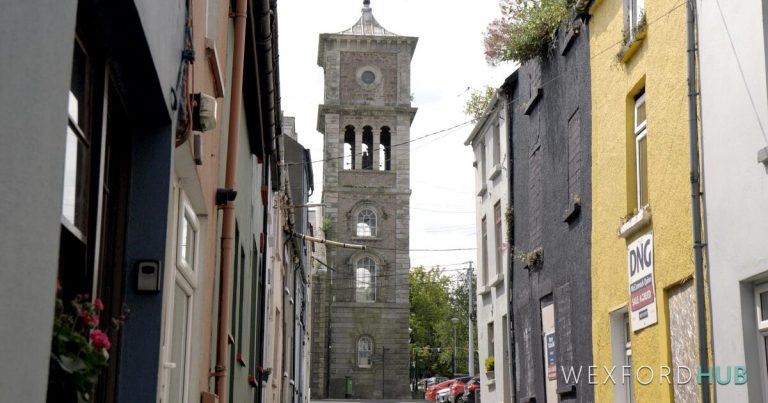
Mary’s Lane is a surviving example of how working-class Wexford people once lived. It contains an entrance to the ruins of St Mary’s Church, which dates from the Middle Ages.

Cornmarket

Cornmarket in Wexford Town traces its origins to a pre-Viking marketplace that predated the arrival of the Vikings in 800 AD.

Wygram

Wygram is a historical area in the north of Wexford Town.

Henrietta Street

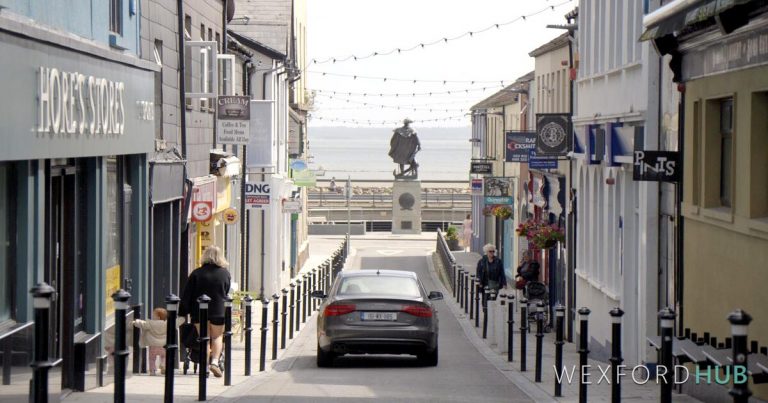
Henrietta Street in Wexford Town connects South Main Street to Crescent Quay. The origin of its name is unclear, and a 1932 attempt to rename it O’Hanrahan Street was rejected by locals.

Abbey Street

Abbey Street in Wexford Town takes its name from Selskar Abbey, built by the Normans in the 12th century. The street was also known as Market Street and Lower Back Street.

Mary Street

Mary Street in Wexford Town was once called Chapel Lane. It was the location of Raby’s Gate, one of six gates to the walled town of Wexford.

Anne Street

Anne Street runs through the centre of Wexford Town, connecting Wexford Quay with North Main Street and South Main Street. Before land reclamation, the shoreline extended up into the street.

Peter Street

Peter Street in Wexford Town was once the centre of the corn trade, supplying malted corn to the Guinness breweries in Dublin. It takes its name from St. Peter’s parish, one of the original Norse-Irish parishes.

1798 Street

1798 Street opened around 1998 during the bicentenary of the 1798 Rebellion. It was previously recorded as Fort View on 19th-century maps.

Skeffington Street

Skeffington Street in Wexford Town was originally called Ram Street. It was later renamed in honour of Francis Sheehy-Skeffington, a writer and suffragist executed without trial during the 1916 Easter Rising.