Bride Street
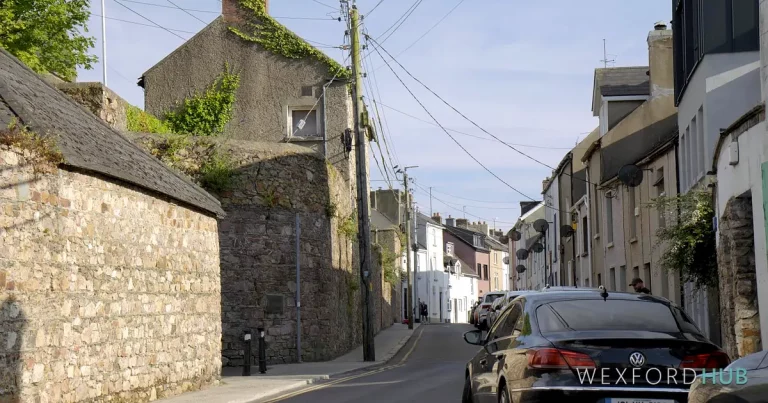
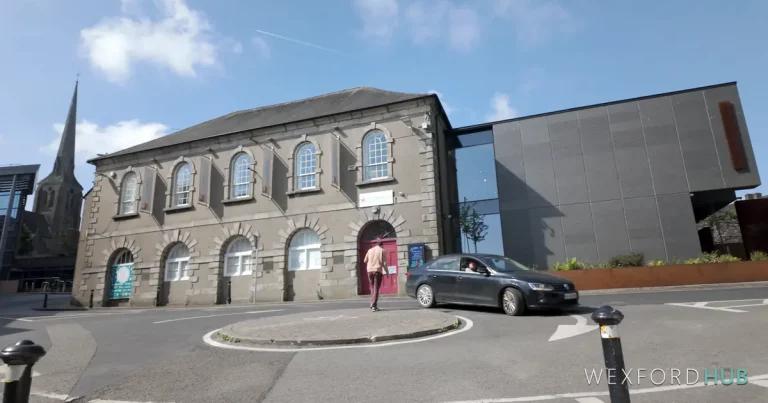
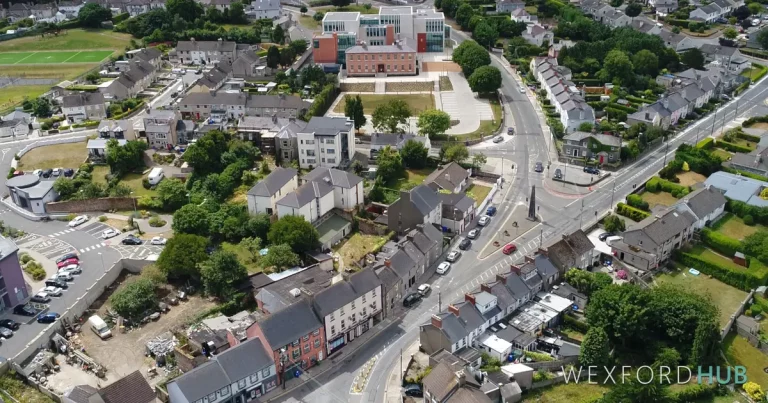
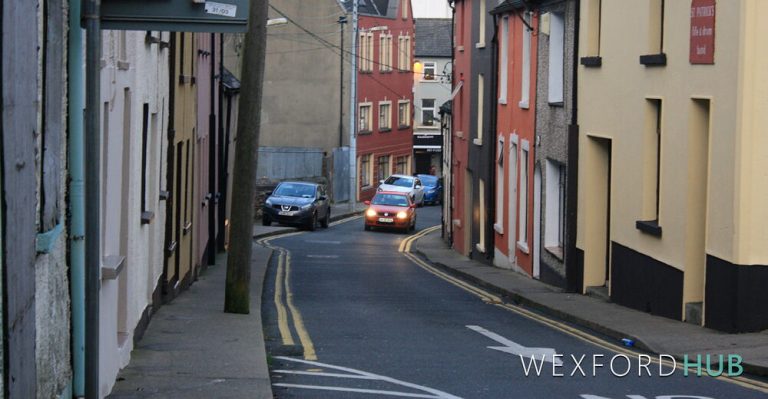
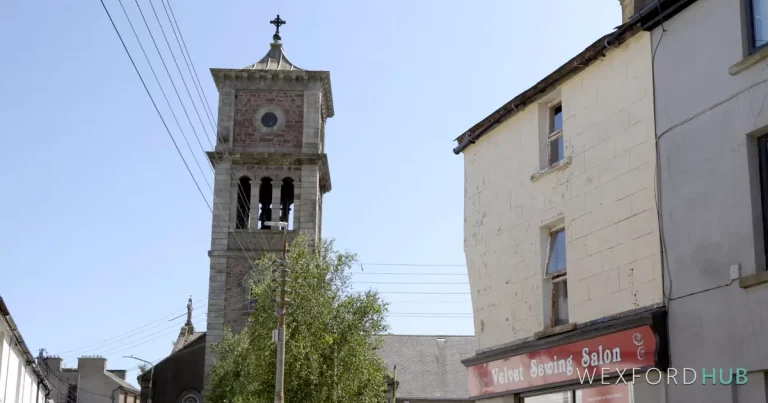
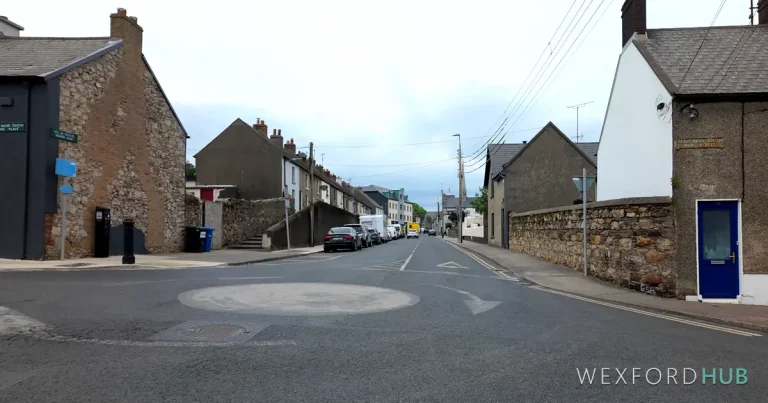
Bride Street in Wexford Town takes its name from the old parish of St Bridget. Archaeological excavations uncovered 15 post and wattle houses dating from the 11th to 14th centuries and a Viking bone pendant from 1000 AD.
Page 17 of 34
Bride Street in Wexford Town takes its name from the old parish of St Bridget. Archaeological excavations uncovered 15 post and wattle houses dating from the 11th to 14th centuries and a Viking bone pendant from 1000 AD.
The Franciscan Friary in Wexford Town has been a place of worship for more than 750 years. It survived the dissolution of the monasteries under Henry VIII and the repression of Catholicism under Cromwell.
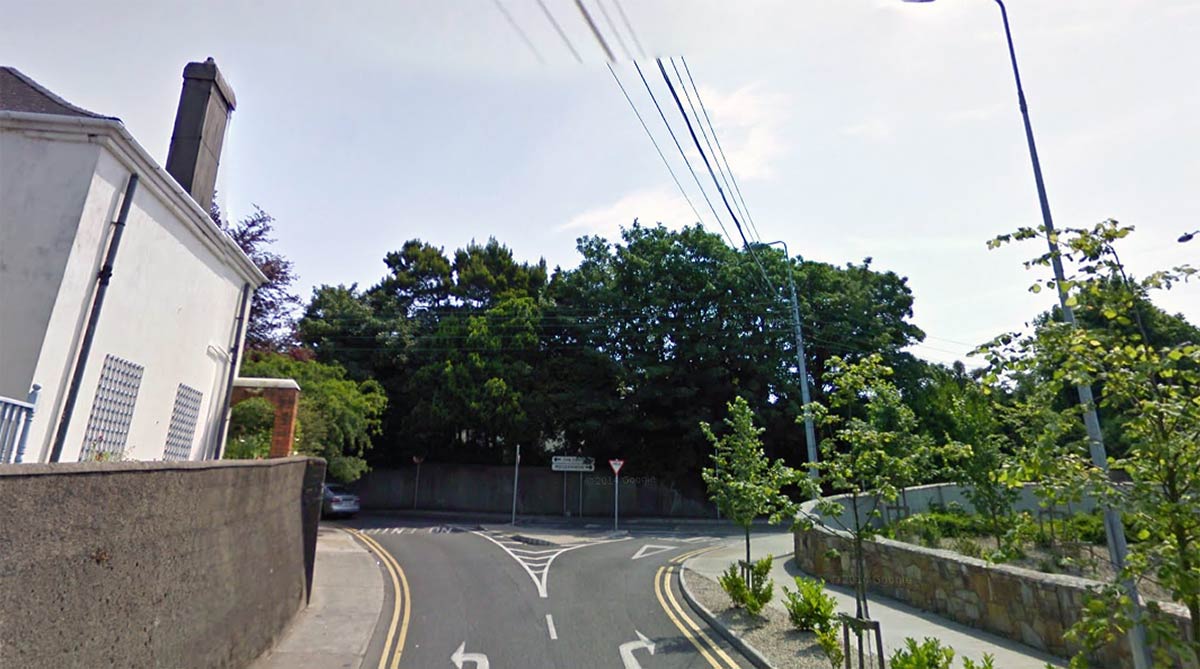
Roche’s Road is named after Father James Roche, who built Wexford’s Twin Churches. President John F. Kennedy’s motorcade drove through the street during his 1963 visit to the county.
Barrack Street in Wexford Town takes its name from the 18th-century barracks built on the site of the demolished Wexford Castle.
The origins of the name ‘The Folly’ in Wexford Town are uncertain. It may be linked to Mount Folly, a Georgian house built in the early 1800s, but whether the house or the area was named first is unknown.
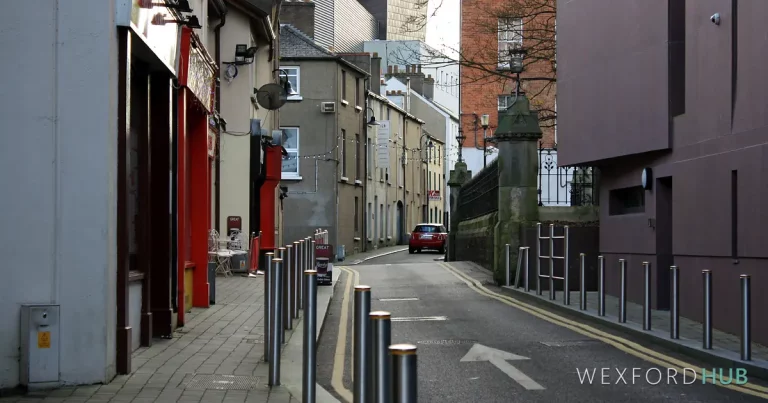
Formerly known as Back Street, Mallin Street was renamed after Michael Mallin, an Irish rebel executed for his role in the 1916 Easter Rising.
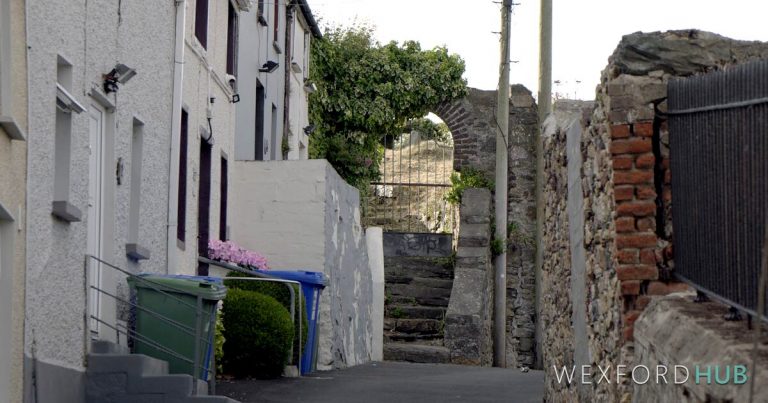
Mary’s Lane is a surviving example of how working-class Wexford people once lived. It contains an entrance to the ruins of St Mary’s Church, which dates from the Middle Ages.
Vincent Martin Crowe has been sentenced to 17 years in prison for the murder of Kenyon ‘Kenny’ Meyler following a retrial in an Australian court.
Cornmarket in Wexford Town traces its origins to a pre-Viking marketplace that predated the arrival of the Vikings in 800 AD.