On 13 October 1980, Detective Garda Seamus Quaid was murdered in the line of duty near Cleariestown, County Wexford, while investigating an IRA bank robbery.
A Limerick native from a family with a strong hurling tradition, Quaid enlisted in An Garda Síochána on 22 May 1958 and arrived in County Wexford that October at age 20. He joined the Wexford senior hurling team and was part of the side that defeated Tipperary in the 1960 All-Ireland Senior Hurling Championship Final.
After continuing his Garda career for two decades, he was appointed to the detective branch on 27 May 1979.
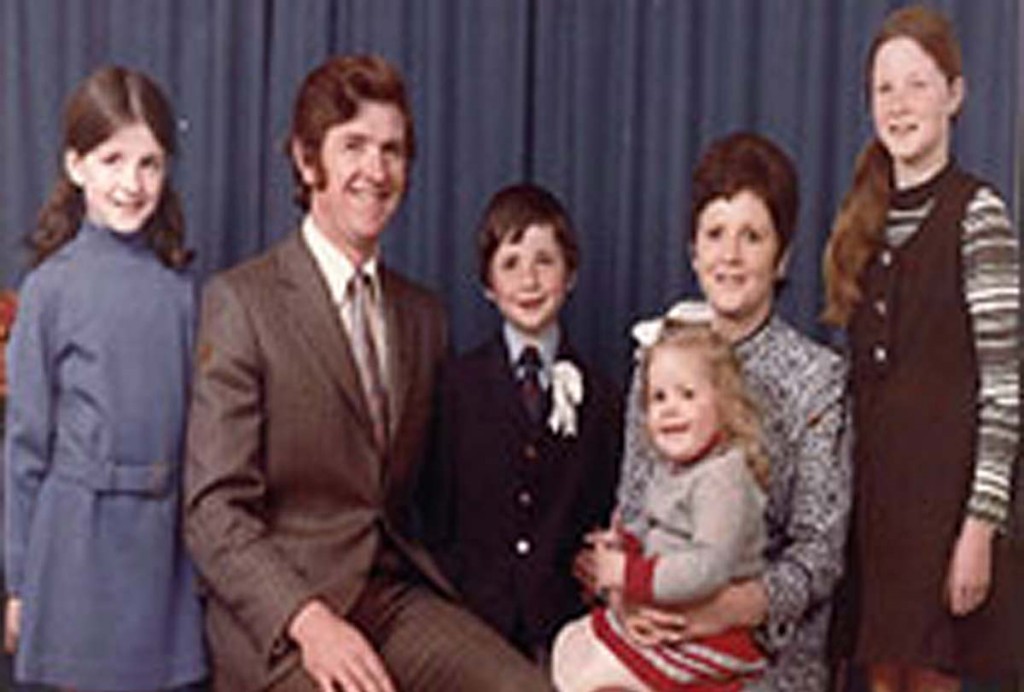
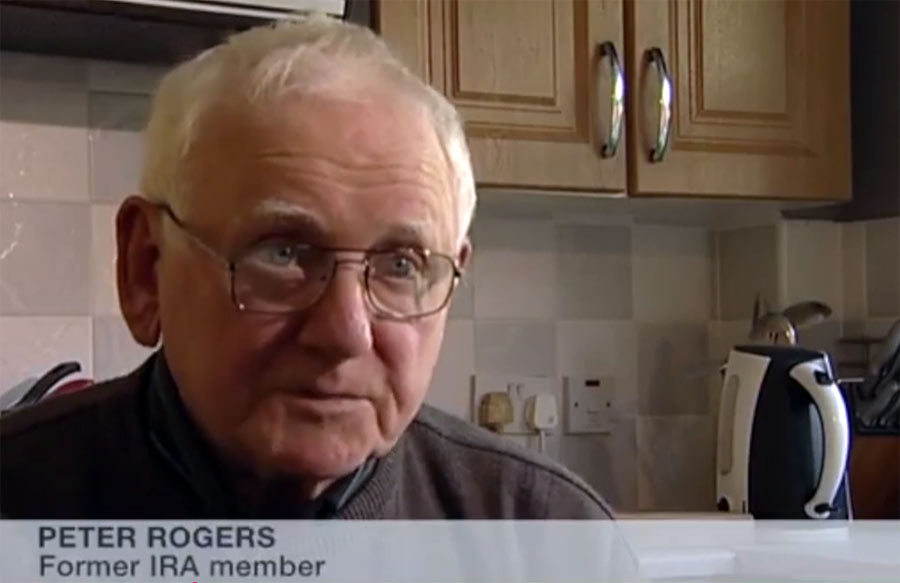
The man convicted of capital murder for Quaid’s death was Peter Rogers, a Wexford-based IRA man.
Eight years before the murder, Rogers escaped from HMS Maidstone, a prison ship moored in Belfast, with six other IRA men. He fled to Ireland and settled in County Wexford, where he remained active in the Provisional IRA.
On the day of the murder, a bank robbery took place in Callan, County Kilkenny. Bank robberies were a common funding source for republican groups during the Troubles.
Quaid and Garda Donal Lyttleton were assigned to track Rogers.
They spent the afternoon searching for Rogers and the vegetable van he owned but found no trace of either. After nightfall, they set out to return to Wexford Garda Station. While travelling along a dark back road in Cleariestown, near Ballyconnick Quarry, they unexpectedly came across Rogers’ van.
The officers stopped and approached the vehicle to conduct a search. Because they were familiar with Rogers and did not expect any violence, Lyttleton left his weapon in the patrol car. Unbeknownst to the Gardaí, the van was carrying a payload of liquid explosives.
Knowing a search would uncover the explosives and lead to a lengthy prison sentence, Rogers drew a firearm and opened fire.
During the exchange of gunfire, Quaid was fatally wounded. Lyttleton managed to return to his vehicle, leave the scene, and raise the alarm. Rogers, having been shot in the left leg, fled to a nearby house.
Quaid died at the scene. He was 42 and a father of four. Following a manhunt, authorities discovered Rogers hiding in a neighbour’s house. The court found him guilty of capital murder and sentenced him to death by hanging. The sentence was commuted to 40 years’ imprisonment by President Patrick Hillery.
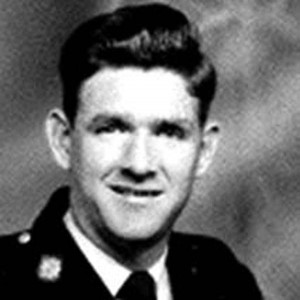
An Garda Síochána posthumously awarded Quaid the Scott Gold Medal, its highest bravery award, on 16 December 1982. For his bravery during the incident, Lyttleton received the Scott Silver Medal.
Nine years into his sentence at Portlaoise Prison, Rogers left the republican movement. Authorities released him in 1998 under the Good Friday Agreement, which allowed for the early release of prisoners jailed for paramilitary activities provided their organisation maintained a ceasefire.
After his release, Rogers sent the Quaid family an apology letter, which they rejected.
In 2014, he told the BBC that Sinn Féin leaders Gerry Adams and Martin McGuinness had ordered him to transport the explosives to Britain. He said he raised concerns about the instability of the liquid explosives during a meeting, and that Adams told him: “Look Peter, we can’t replace that explosive, you will have to go with what you have and as soon as you can get it across, the better.”
A spokesperson for Sinn Féin denied the claims, saying there was no truth to the allegations.