The closure of Wexford’s ancient graveyards
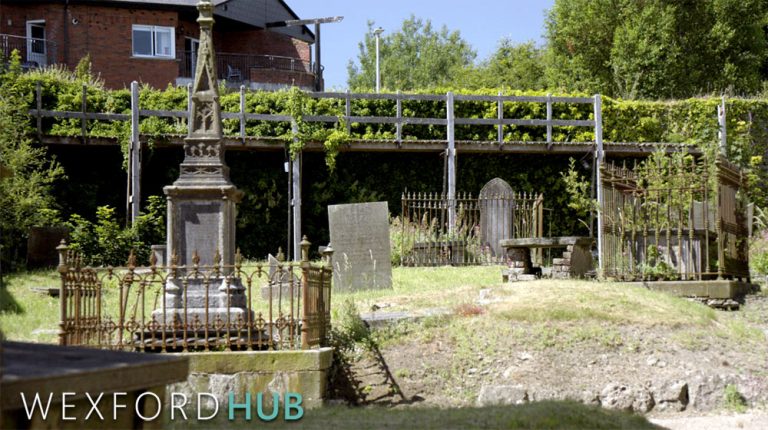
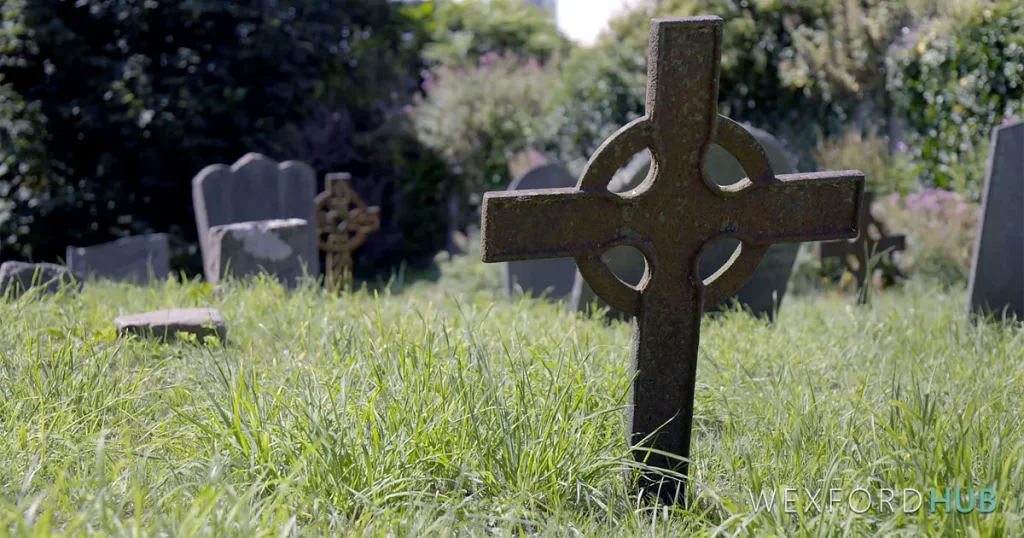
Wexford Town’s six intra-mural graveyards were closed in 1901 after two decades of public health disputes over overcrowding and shallow graves.

Articles on the history of County Wexford, drawn from archival material, journals, letters, oral accounts, and historical photographs.
Wexford Town’s six intra-mural graveyards were closed in 1901 after two decades of public health disputes over overcrowding and shallow graves.
County Wexford’s surnames span Gaelic, Norse, Norman, and English origins, reflecting over a millennium of settlement history in the region.
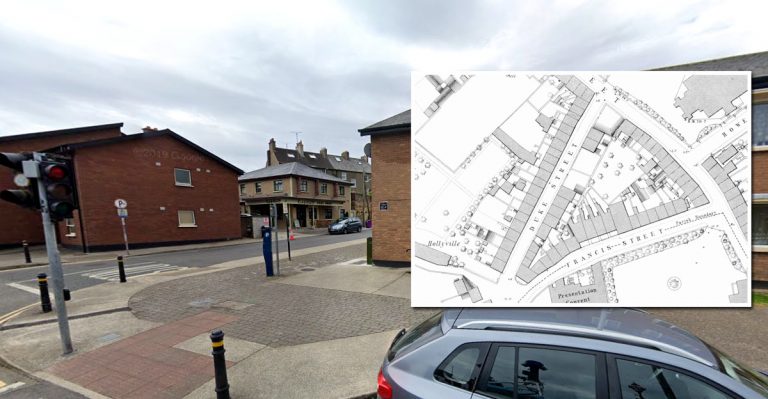
Duke Street in Wexford was demolished in the 1960s. An 1893 health report detailed its overcrowded and unsanitary conditions, including leaky ashpits and pigs kept near houses.
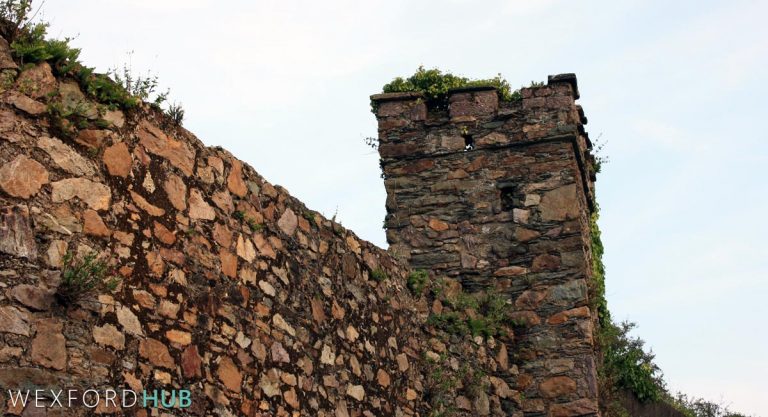
Construction of Wexford’s town wall began in the early 1200s after the 1169 Norman invasion. The wall enclosed approximately 25 hectares.
Hill Street in Wexford Town was once called Cabbage Row. In 1932, residents voted against renaming it after Sean McDermott.
A story from Selskar Abbey offers a glimpse into the widespread 19th-century fear of being buried alive, a subject that inspired newspaper reports, literature, and safety devices.
Wexford Workhouse opened in the northwest of Wexford Town in 1845. Between 1848 and 1853, more than 1,700 deaths occurred within its walls, driven by what officials described as “dangerous epidemics.”
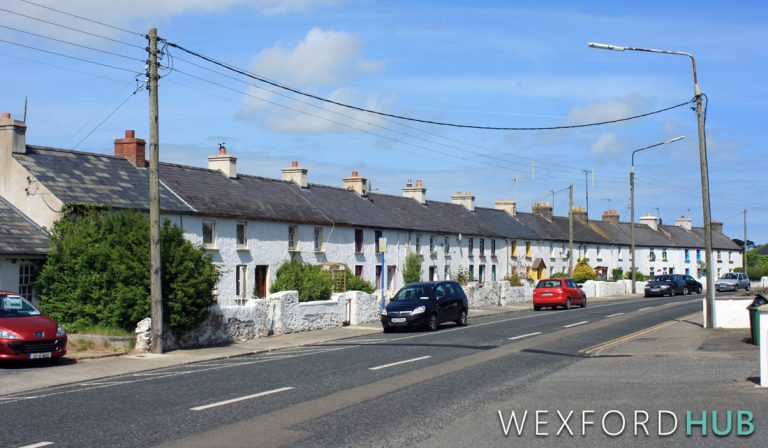
The cottages in Carcur date back to the 1870s. They were reportedly constructed for local fishermen and railwaymen.
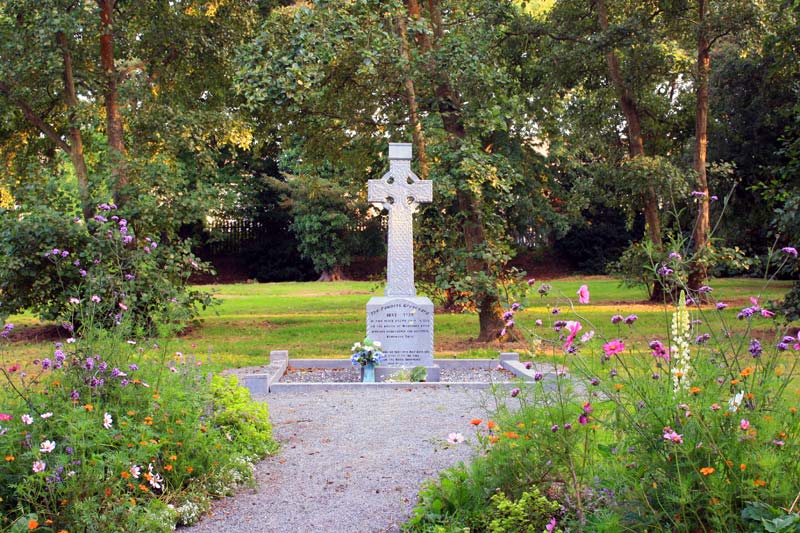
The Paupers’ graveyard was established in the early 1850s as a cemetery for the Wexford Union Workhouse. It served as the final resting place for the poor and destitute who died within its walls.
Croke Avenue in Wexford Town was condemned and demolished in the late 1980s before being rebuilt nearby and winning a national design award in 1996.